







Search Results for: brewing parameter adjustment
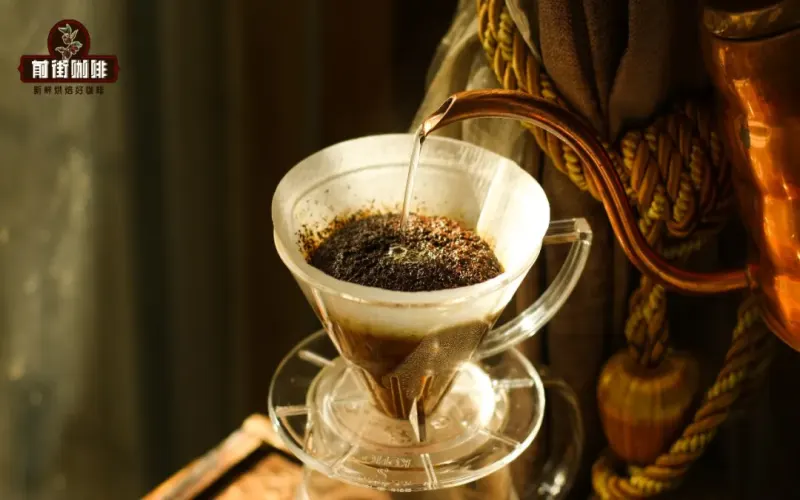
Hand-Pour Coffee for Absolute Beginners: A Practical Guide from Tasting and Journaling to Flexible Parameter Adjustment
Many people who are just getting into pour-over coffee feel that the barrier to entry is high, but in fact, as long as you grasp the four core parameters of grind, water temperature, ratio, and time, brewing good coffee is not difficult. This article starts from a beginner's perspective and shares three practical tips for getting up to speed quickly: first, learn how to taste a cup of coffee, and build flavor judgment through drinking more and comparing, using cupping when necessary to understand the normal state of the beans; second, develop the habit of record-keeping, systematically tracking bean information, brewing parameters, and final performance, and learn to control variables to understand the impact of each parameter on extraction; finally, on the basis of familiarity with the logic of the parameters, adjust flexibly and make targeted corrections for problems such as under-extraction. In the article, Front Street Coffee uses Huakui as an example, giving specific parameters and adjustment ideas to help beginners avoid detours. [more…]
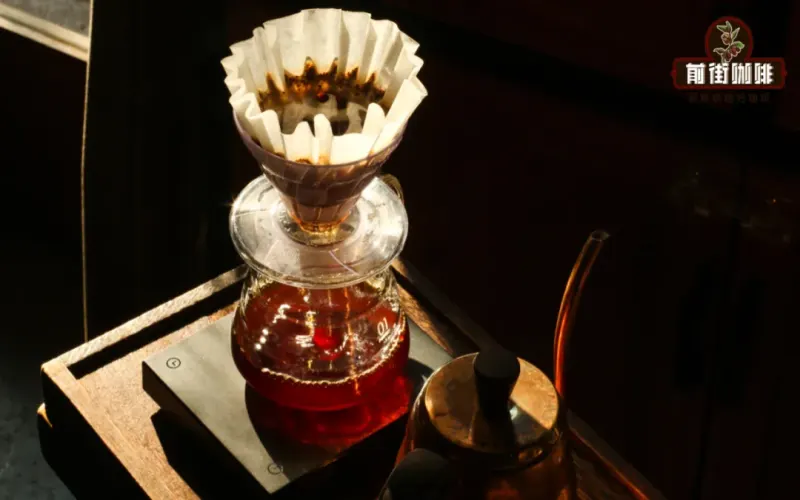
How to Adjust Hand-Brewed Coffee Strength and Extraction Yield? A Detailed Explanation of How Coffee-to-Water Ratio Affects Flavor and Mouthfeel
Among the many variables in pour-over coffee, strength and extraction yield are the core indicators that directly determine whether a cup of coffee tastes good. The strength level affects the body and the intensity of flavor, while the coffee-to-water ratio is the key lever for adjusting strength. But changes in water volume also affect the extraction yield, making adjustment complicated. Starting from Front Street's brewing practice and using Huakui coffee as an example, this article explains clearly the relationship among coffee-to-water ratio, strength, and extraction yield, and offers specific ideas on how to simultaneously correct other parameters when making it stronger or weaker, helping you brew a pot that suits your taste more efficiently. [more…]
Pour-over coffee lacking aroma and thin in flavor? Analyzing parameter adjustments for light and dark roasts from the perspective of strength and extraction yield
Ever brewed the same coffee beans at home, only to find it never tastes as rich as what you get in a café? The problem usually lies in strength or extraction yield. Insufficient strength often comes from using too much water and diluting the coffee, while under-extraction stems from poorly tuned parameters like water temperature, grind size, and brew time. This article breaks down in detail how to improve the flavor by adjusting the coffee-to-water ratio, water temperature, and grind size, and shares two sets of brewing parameters from Front Street for medium-light and medium-dark roasted coffee beans, helping you easily brew pour-over coffee with full aroma and standout flavor. [more…]
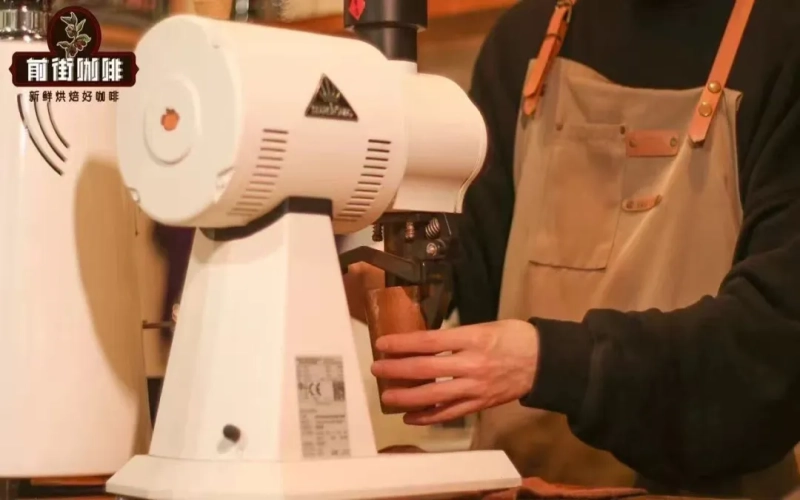
What to Do If Your Pour-Over Coffee Is Ground Too Coarse? The Pros and Cons of Re-Grinding and Practical Solutions for Adjusting Parameters and Brewing Directly
If you accidentally grind your coffee too coarse while making pour-over, can you pour it back into the grinder and grind it finer? This is what's known as re-grinding. Although it's used in professional competitions to improve particle uniformity, it also brings two major problems: an increase in fines and grinder retention. Through experiments, Front Street Coffee found that after re-grinding, nearly 20 grams of grounds might be reduced to only about 13 grams—a shocking loss. If you don't have tools like a bellows, you might want to try a different approach: directly adjust parameters such as water temperature and pouring method, and use the coarser grounds to brew a good cup of coffee. This article uses Panama Elida Anaerobic Natural Catuai as an example to share a specific brewing plan, so you can handle unexpected situations with ease. [more…]

Pour-Over Coffee Strength Adjustment Techniques: How Coffee-to-Water Ratio and Parameter Adjustments Affect Flavor Expression
The most direct way to adjust the strength of pour-over coffee is through the coffee-to-water ratio. If you want a bolder cup, reduce the amount of water poured; if you prefer something lighter and more refreshing, simply increase the water. However, changing the coffee-to-water ratio doesn't just affect concentration—it also shifts the extraction yield. Within the parameters recommended by Front Street Coffee, 1:15 to 1:16 works for most coffee beans: 1:15 gives a solid body and full flavor, while 1:16 is lighter and more layered. If you're brewing a dark roast and want it stronger, jumping straight to 1:13 may lead to under-extraction and a missing finish—this is where grind size and water temperature come in to help. This article will systematically sort through various approaches to adjusting concentration, including coffee-to-water ratio, grind coarseness, water temperature changes, and the By Pass technique, to help you find the balance point across different roast levels. [more…]
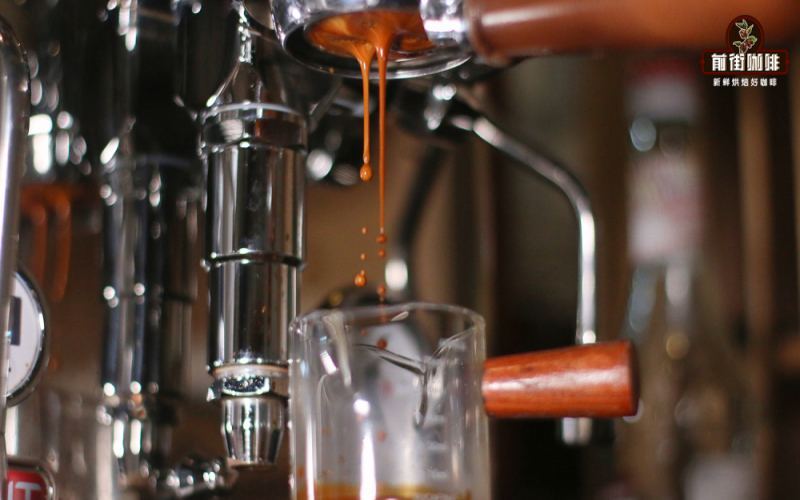
Espresso Blend Bean Selection and Espresso Extraction Parameter Adjustment: A Practical Analysis from Roast Level to Grind Dose
Espresso is a precious beverage that Italy has gifted to the world. It may seem to require only a few dozen seconds of extraction, yet behind it lies a precise coordination of a series of parameters including grind size, water temperature, dose, and liquid yield. Starting from the freshness and roast level of coffee beans, this article explains how different roast levels affect extraction stability, and introduces the flavor characteristics and suitable scenarios of several Front Street espresso blends. It then provides an in-depth analysis of how brew ratio, dose adjustment, grind coarseness, and humidity changes affect flow rate and flavor. Combined with real parameter-tuning cases from Front Street Coffee shops, it demonstrates how to achieve an ideal balance among aroma, acidity, and body through fine-tuning of dose and grind size. [more…]
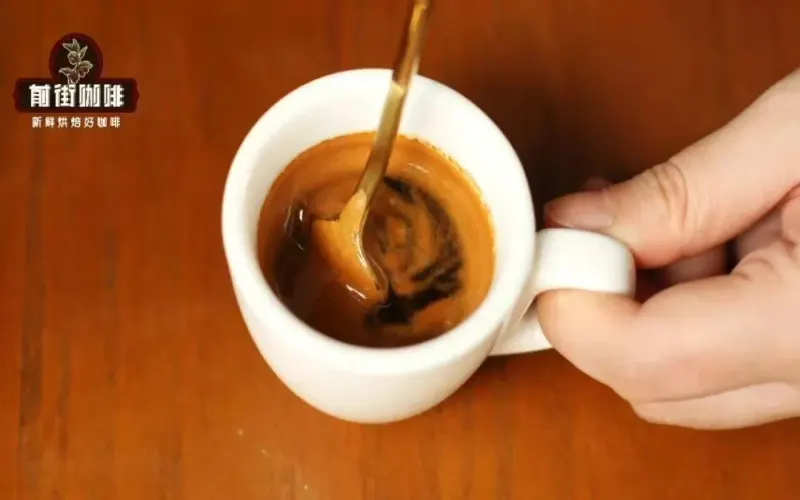
Why Is the Espresso Extraction Ratio Locked at 1:2? A Guide to Adjusting the Three Key Parameters: Dose, Grind, and Time
Many people new to espresso often run into this confusion: they follow the popular online formula of 18g of grounds yielding 36ml of liquid, yet the coffee tastes sharp and stings the tongue—clearly under-extracted—and they have no idea whether to adjust water temperature, pressure, water volume, or grind. In fact, dialing in espresso isn't complicated; you just need to focus on three core parameters: dose, brew ratio, and the interplay of time and grind. Dose and ratio usually don't change much—what really needs repeated fine-tuning is the grind setting. Drawing on Front Street's practical experience, this article explains why 1:2 is considered the golden ratio for espresso, how to use the roughly 30-second extraction window to judge whether your grind is right, and how to make precise corrections through dose and yield when the flavor goes off—helping beginners quickly build a clear, workable approach to espresso extraction. [more…]
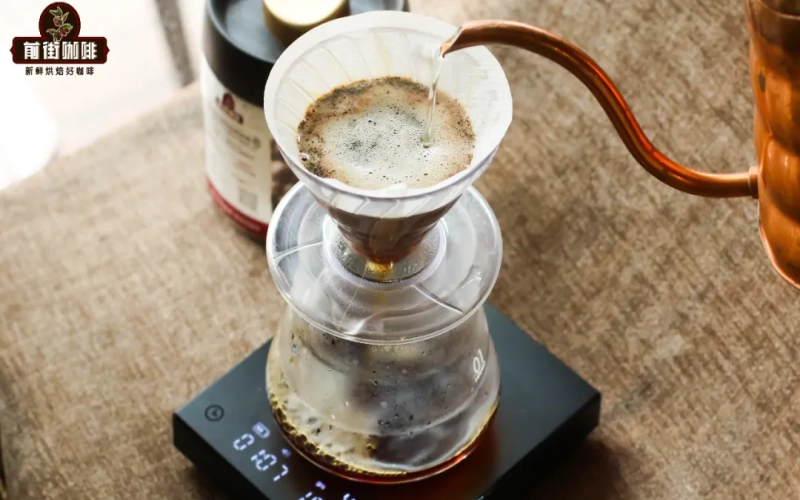
Is It Feasible to Add Ice Cubes Directly to Hot Pour-Over? Analyzing Iced Coffee Parameter Adjustments and Grind & Water Temperature Optimization
On a scorching summer day, when you crave iced coffee but don't want to give up the full flavor, many enthusiasts consider brewing hot coffee first and then adding ice to cool it down. While this method is feasible, it tends to make the coffee taste weak. This article uses a real test case of Front Street Coffee's Finca Diviso·Geisha to illustrate how the concentration drops from 1.49% to 1.09% before and after adding ice to a hot pour-over, as well as the noticeable decline in taste and flavor. At the same time, the article also offers adjustment ideas for iced pour-over: change the grind size from a 20-mesh sieve passing rate of 75%~80% to 80%~85%, change the coffee-to-water-to-ice ratio to 1:10:6, and keep 15g of coffee, 92°C water temperature, a three-stage pour, and a 2-minute extraction. This way, you can achieve a refreshing taste while retaining flavors such as grape, passion fruit, and apricot, presenting a full-bodied juicy mouthfeel. [more…]
Espresso Extraction Ratios and Grind Size Explained: Dose-to-Yield Ratio, Flow Rate Adjustment, and Front Street Practical Parameters
Espresso is a taste treasure Italy has gifted to the world—briefly extracted, yet it concentrates the very essence of coffee. To obtain a qualified Espresso, parameters such as grind size, water temperature, extraction time, and dose-to-yield ratio are all indispensable, among which the extraction ratio and grind coarseness are especially critical. This article will systematically explain the dose-to-yield ratio range for espresso, the influence of grind coarseness on flow rate and flavor, and how to respond to extraction changes by adjusting dose, grind setting, and yield weight. The article also includes the practical parameters from Front Street Coffee's store and the flavor performance of the "Front Street Sunflower Warm Sun Blend Coffee Beans" for coffee enthusiasts' reference. [more…]

How to Fix Coffee Grounds That Are Too Coarse? Sharing Honey Queen 8.0 Pour-Over Parameter Adjustments and Practical Tips
When brewing coffee, the grind size directly determines the surface area where water meets the coffee and the speed at which hot water passes through, and even a slight deviation can ruin the entire cup's flavor. If a moment of carelessness leaves the beans ground too coarse, how can you salvage the situation? This article compiles several practical remedies—from re-grinding to flexible adjustments of water temperature and time—and, using Guji Huakui 8.0 as an example, provides complete parameters and steps to still brew a clean, full-bodied cup even after the grind has come out coarse. Whether you use a hand grinder or rely on pre-ground coffee from a vendor, you can find a corresponding adjustment plan to bring each cup as close to ideal as possible. [more…]
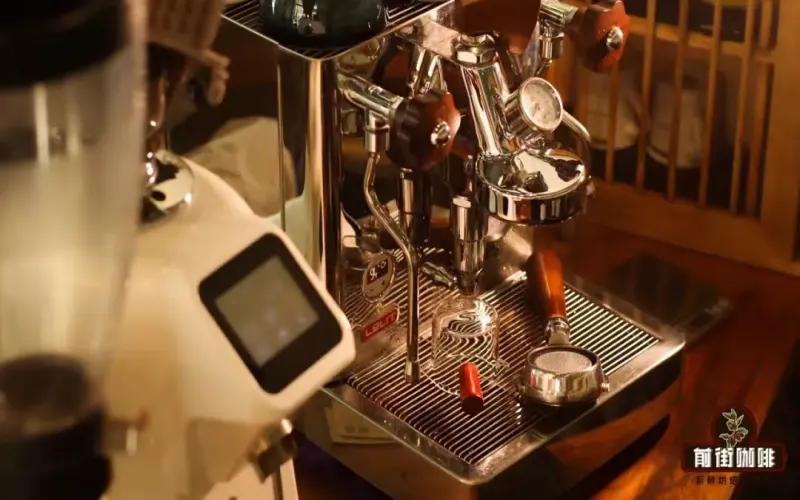
A Complete Guide to Espresso Extraction: Adjusting the Four Key Parameters of Dose, Grind, Brew Ratio, and Time
To make a well-balanced espresso at home, the key is to master a few core variables that affect extraction. Drawing on the practical experience of Front Street Coffee, this article systematically sorts out the relationships among the four main adjustable parameters—dose, grind size, brew ratio, and extraction time—to help readers understand how to decide which direction to adjust based on the taste the espresso presents. It also introduces the basic concept of the Golden Cup standard, explains why choosing a more stable espresso blend can improve the margin for error in home extraction, and lists four distinctive blends from the Front Street bean lineup for reference. [more…]
How Should Coffee Brewing Parameters Be Adjusted for Different Processing Methods? An Analysis of Water Temperature and Grind Differences for Natural, Washed, and Anaerobic Coffees, and Why Anaerobic Beans Drain Fast
When faced with coffee beans processed in different ways, is it necessary to design a separate brewing recipe for each one? Front Street believes that rather than recording tedious parameters one by one and bearing the high cost of trial and error, it is better to categorize beans by processing method or roast level and use a single recipe with a broad coverage range. This article focuses on three processing methods—natural, washed, and anaerobic—explaining the differences in their flavor expression, as well as the targeted adjustments that can be made during brewing, including the thinking behind setting water temperature, coffee-to-water ratio, grind size, and extraction time. The article also specifically explains why anaerobically processed coffee drains faster, and how to ensure full extraction by grinding finer or switching to a slower-flow filter basket. All parameters are based on medium-light roasted beans, with adjustment suggestions for medium-dark roasted beans included. [more…]
How to Set Espresso Extraction Parameters? Differences in Making Americano and Latte and Adjustment Approaches
Many coffee enthusiasts, when adjusting espresso parameters, don't really care about the espresso itself, but whether the americano or latte made from it tastes good. So, is it really necessary to use different extraction recipes for americano and latte? Starting from Front Street's hands-on experience, this article first goes over the basic logic and conservative formula of espresso extraction, then addresses the characteristics of americano and milk coffee separately, explaining how to adjust the coffee-to-water ratio to highlight each one's flavor strengths, so that every cup of fancy coffee can achieve the ideal taste performance. [more…]
Espresso Extraction Recipe Adjustment Guide: From Grind Size to Dose-Yield Ratio, Quickly Find Great-Tasting Parameters
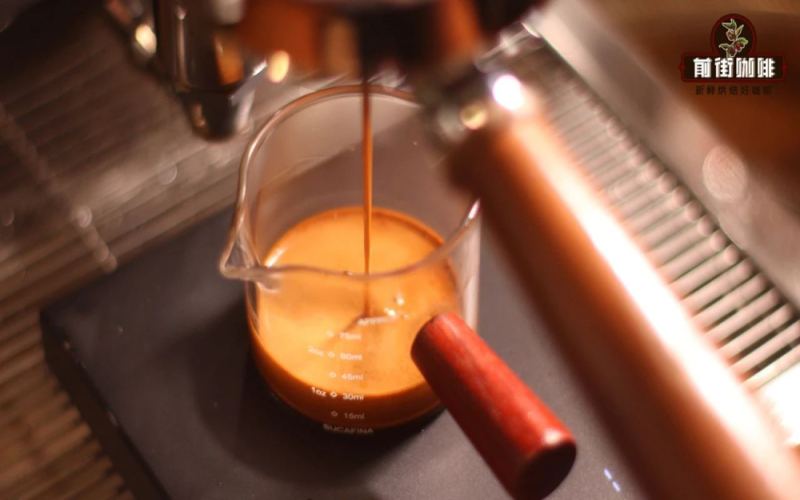
Making espresso at home with an espresso machine is most frustrating when it comes to dialing in parameters—one careless move and half a bag of beans is gone. Even professional baristas, when facing a new espresso blend, often need to pull seven or eight shots before finding a satisfying flavor. Actually, the key to taking fewer detours and quickly dialing in to a tasty state is to understand what impact each parameter change will bring. Based on Front Street Coffee's hands-on experience, this article sorts out the three major adjustable variables—grind size, dose, and yield—and, combined with the 1:2 brew ratio and 25-30 second extraction framework, teaches you how to judge the grind setting through timing differences, and gives specific adjustment directions for common problems such as burnt-bitterness and short aftertaste. [more…]
A Complete Analysis of Pour-Over Coffee Parameters: Scientific Adjustment Approaches to Coffee-to-Water Ratio, Grind Size, Water Temperature, and Time
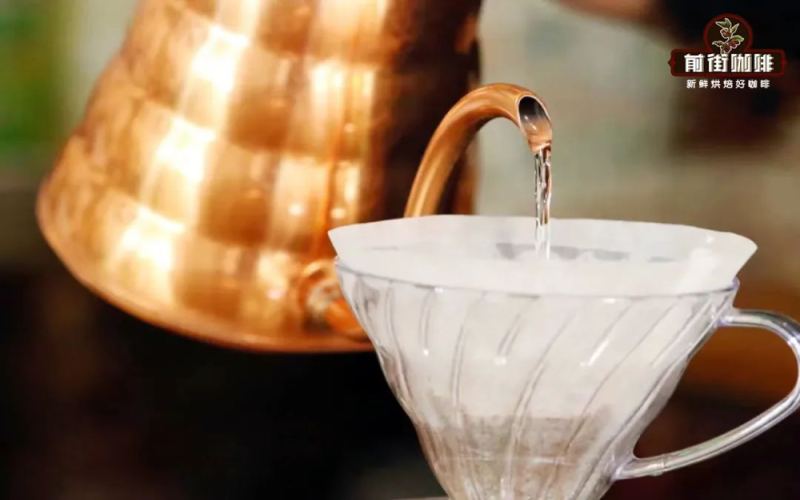
Many coffee enthusiasts make a point of visiting Front Street Coffee, drawn not only by the impressive variety of coffee beans but also by the baristas' brewing skills, which never fail to impress. When it comes to brewing a great cup of coffee, does it ultimately come down to hands-on technique or mental understanding? Front Street Coffee believes that water flow control and pouring are merely the basics. What truly determines the flavor direction is a deep understanding of the four key parameters: grind size, coffee-to-water ratio, water temperature, and time. This article will systematically lay out ways to improve your pour-over skills, from the interconnected relationships between parameters and methods for categorizing coffee bean characteristics to practical tips for keeping brewing records. Whether you are a beginner just getting into pour-over or an experienced brewer looking to break through a plateau, you'll find actionable guidance here. [more…]
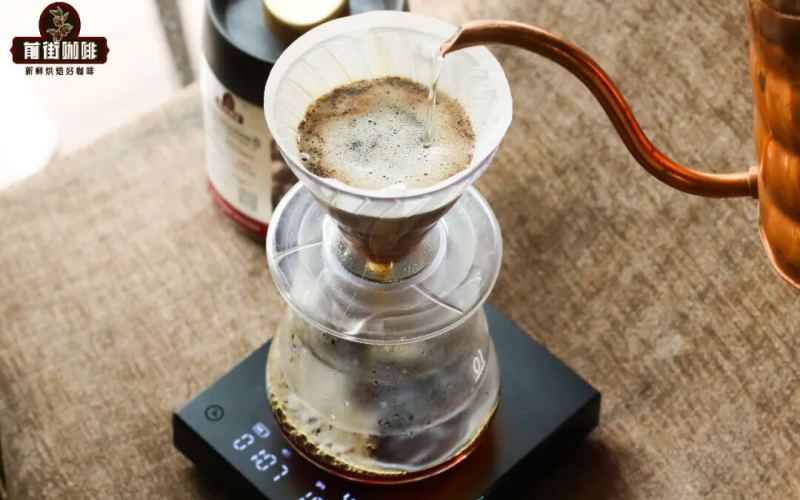
Pour-Over Coffee Tasting | Why Not Add Ice Directly to Hot Pour-Over Coffee? How to Adjust Brewing Parameters for Iced Pour-Over?
Many friends, when ordering pour-over coffee in a café, will prioritize the hot brew method, because as everyone knows, if we want to experience a relatively complete flavor profile in pour-over coffee, then hot brewing is absolutely the best choice. But when the weather is too hot, we always find it hard to [more…]
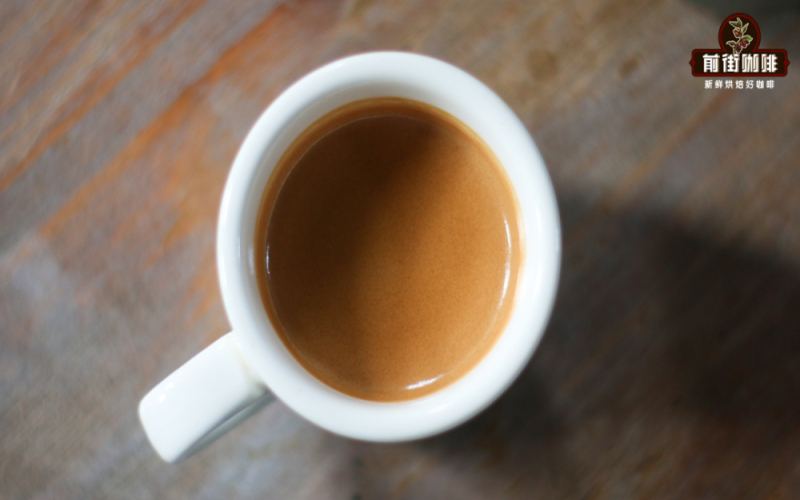
A Detailed Guide to the Espresso Extraction Workflow and Parameter Adjustment Methods
Espresso is the foundation for making popular coffee drinks such as Americano, latte, and cappuccino. This article provides a systematic explanation of the extraction principles of espresso, equipment characteristics, coffee bean selection, and practical operating steps, helping coffee enthusiasts master the key points for extracting a good shot of espresso. The article covers adjustment approaches for core parameters such as grind size, dose, extraction time, and liquid yield, while also introducing the standard daily production process at Front Street stores and the recommended "Sunflower Warm Sun Blend Coffee Beans," offering practical reference for home brewing and daily production. [more…]
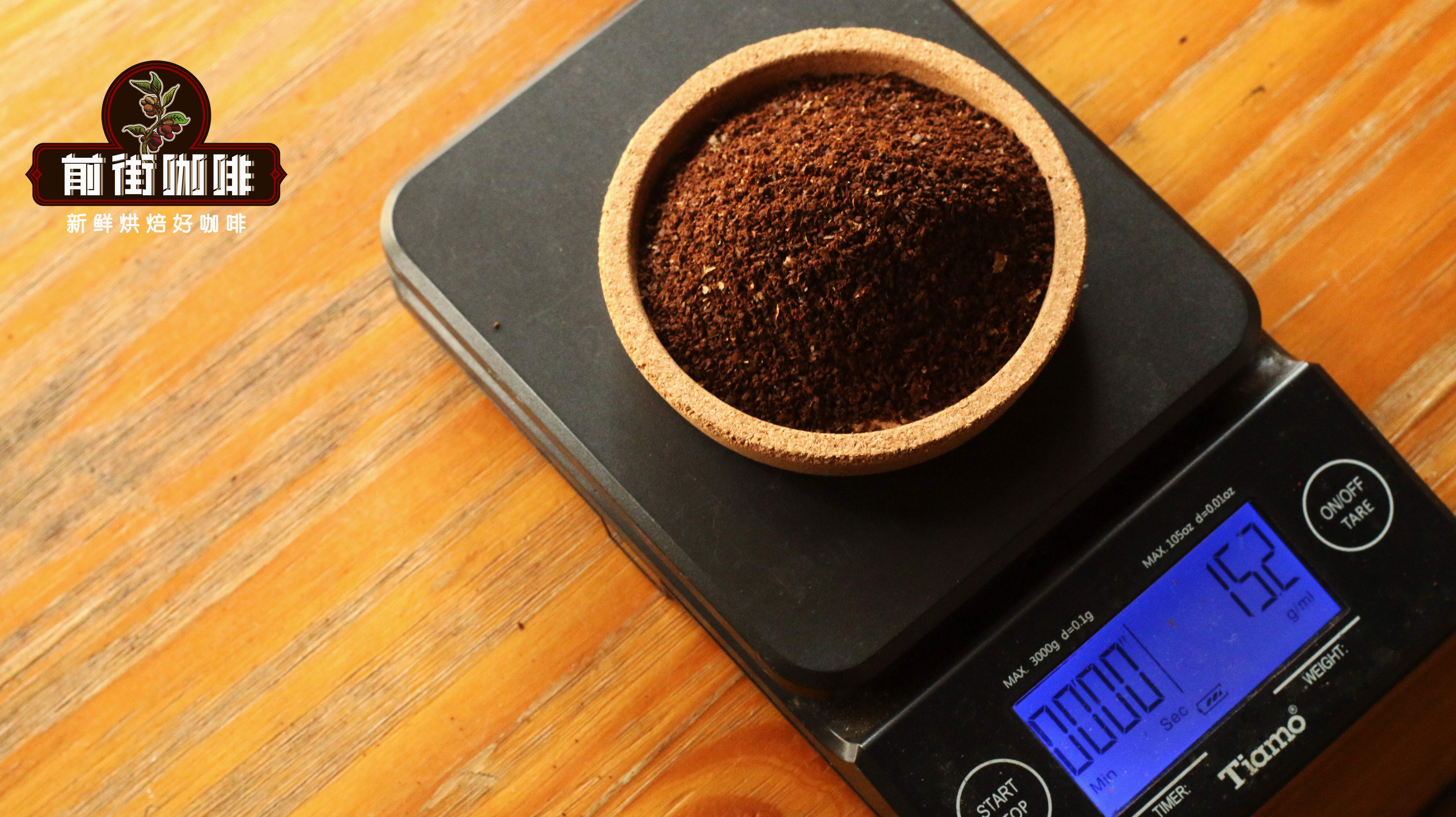
A Guide to Adjusting the Grind Size on a Manual Coffee Grinder and a Detailed Explanation of Pour-Over Coffee Brewing Parameters
Want to make a delicious pour-over at home? Controlling the grind size is often the first hurdle. Compared to expensive electric grinders, manual hand grinders have become the top choice for many enthusiasts just starting out, but how to correctly adjust their grind size parameters is something many people aren't clear about. In this article, Front Street Coffee starts with the disassembly steps of a manual hand grinder, explains one by one the relationship between the rotation direction of the adjustment screw and the grinding effect, and provides the grinding standards corresponding to different brewing methods. At the same time, combining variables such as the coffee-to-water ratio, water temperature, and extraction time, we use Panama Diamond Mountain coffee beans for a complete brewing demonstration to help readers build a replicable brewing approach. [more…]
Pour-Over Coffee Brewing Parameters and Technique Adjustment Guide: From Extraction Principles to Front Street Practical Case Analysis
In the composition of coffee flavor, variety cultivation, roasting, and brewing each carry different weight, and although the brewing stage accounts for only ten percent, it is the only part that enthusiasts can actively control. Starting from this industry consensus, this article systematically explains how to adjust water temperature, pouring strategy, and grinding parameters to bring out a performance from a bean that better suits personal preference, without changing the flavor direction of the coffee bean itself. Using Front Street Kenya Asalia and Front Street Ethiopia COE#22 as examples, the article concretely demonstrates how to shift flavor from bright acidity to pronounced sweetness, and from heavy fermentation to a light berry tonality, by changing the three-pour ratio, blooming water volume, and pouring technique, helping readers understand the extraction logic behind brewing adjustments. [more…]
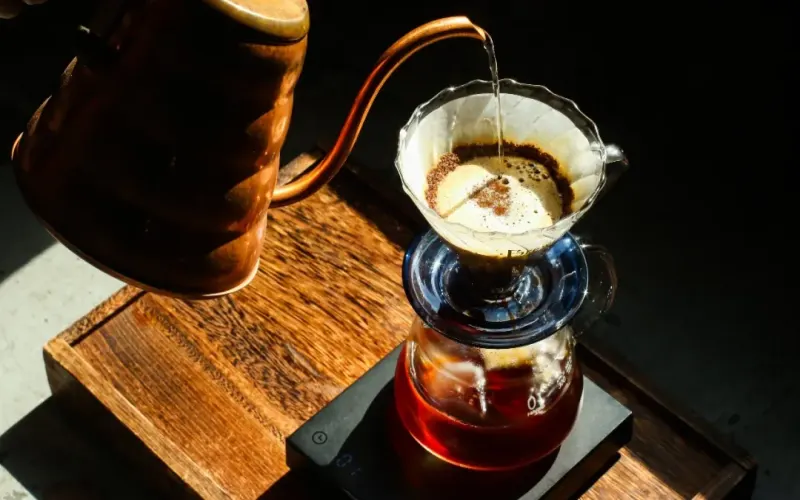
How to Adjust Iced Pour-Over Coffee Parameters? A Full Breakdown of Water Temperature, Ratio, Grind Size, and Bean Selection
Iced pour-over coffee is not simply about pouring hot coffee over ice cubes; it requires targeted adjustments in the coffee-to-water ratio, grind size, water temperature, and pouring method, otherwise it is very easy to end up with a brew that tastes as weak as ice water. Starting from Front Street's hands-on experience, this article first explains the root cause of flavorless iced pour-over—both concentration and extraction yield are too low—and then explains one by one how the parameters change as the water amount is reduced: the coffee-to-water ratio is tightened from 1:15 for hot brewing to 1:10, the grind is made finer by 1–2 settings, the passing rate through a No. 20 sieve increases by about 5%, and staged pouring is used to extend the extraction time to make up for the loss of efficiency caused by the reduced water amount. The article also gives direction on bean selection: natural and anaerobic processing suit rich flavors, while washed processing suits a fresh and clean taste, and it includes Front Street's complete iced pour-over recipe for Ethiopia Hamashu for reference. [more…]